100 ARCHIVES

Posts


Posts
British History

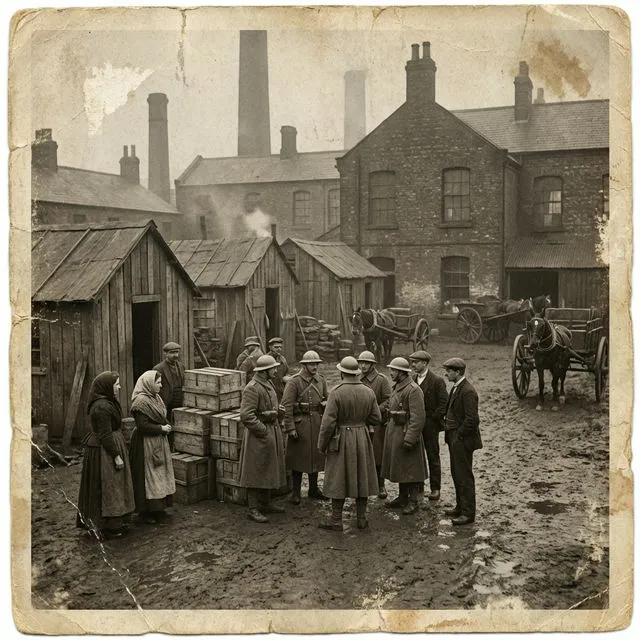
The Birtley Belgians: A Sovereign Enclave in County Durham

Introduction: An Anomaly of War

In the vast and tragic history of the First World War, few stories are as peculiar or as significant as that of the “Birtley Belgians.” While the conflict is usually remembered for the static horror of the trenches or the grand geopolitical maneuvers of the Great Powers, a unique experiment in transnational cooperation was unfolding in the industrial heartland of Northern England. Here, in Birtley, County Durham, a piece of foreign territory was effectively carved out of the British landscape.

IND-1873-BM Read Record →
Posts
Arts and Culture

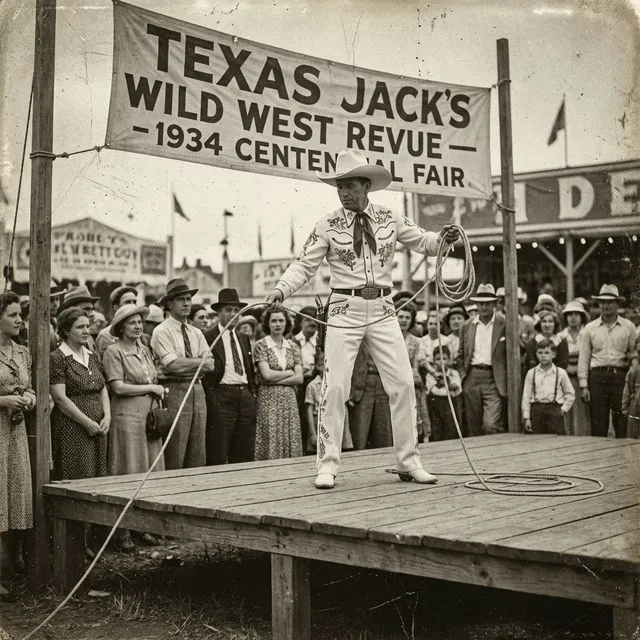
The Cowboy in the Coal Smoke: Richard Shufflebottom and the Wild West of Hull

In the gritty industrial landscape of 1930s Northern England, life was a cycle defined by the factory whistle, the shift change, and the pervasive grey of soot-stained brick. Yet, in the heart of Yorkshire’s manufacturing hubs, a peculiar and vibrant cultural anomaly flourished. Amidst the heavy atmosphere of the interwar period, a performative mythology of the American Frontier took deep root. This article investigates the unlikely dominance of Wild West shows in the region, focusing on the iconic imagery of Richard Shufflebottom - known to the masses by his exotic stage persona “Ricardo Colorado.”

HULL-WEST-1930-UK Read Record →
Posts
Industrial Heritage

The Great Exhibition of the North: Preserving History and the Digital Paradox

The Great Exhibition of the North: Preserving History

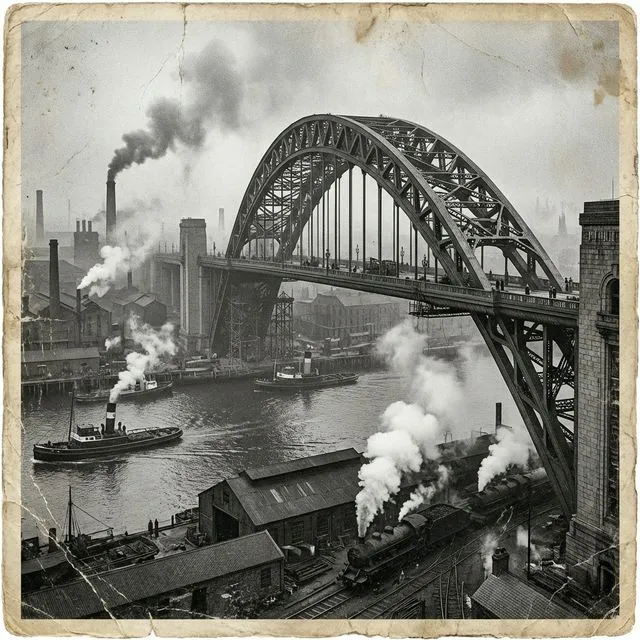
In the summer of 2018, a monumental cultural shift occurred along the banks of the River Tyne. The twin cities of Newcastle and Gateshead transformed themselves into a sprawling, urban canvas for the “Great Exhibition of the North” (GEOTN). This was not merely a festival; it was a strategic cultural mega-event designed to fundamentally reframe the narrative of Northern England. Operating against the complex political backdrop of the “Northern Powerhouse” initiative, the Exhibition had a specific and ambitious mandate: to project an identity that was not solely rooted in a nostalgic, sepia-toned industrial past. Instead, it sought to draw a continuous, glowing line of innovation extending from the steam age directly into the digital revolution.

IND-2018-GEN-REV Read Record →
Posts
Industrial Heritage

The Hydraulic Revolution: How Engineering Defeated Cholera in the Victorian North

The Hydraulic Revolution: How Engineering Defeated Cholera in the Victorian North

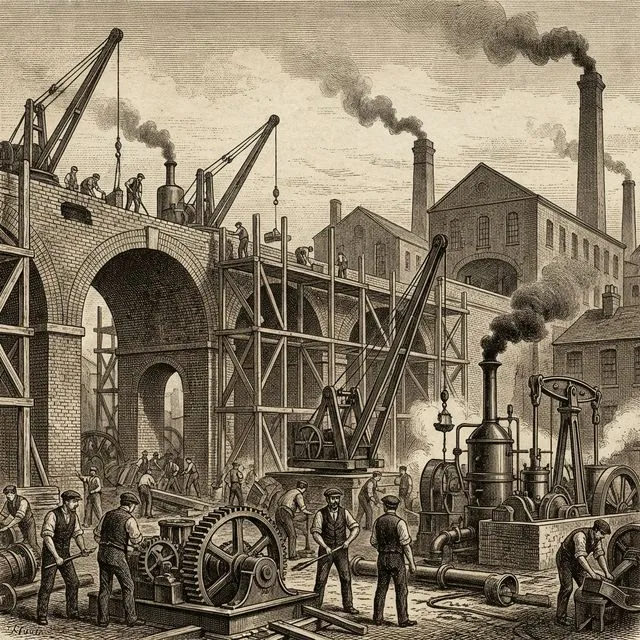
Executive Summary The cholera epidemic of 1866, historically designated as the “Fourth Visitation,” constitutes a pivotal moment in the infrastructural history of Northern England. While the foundational etiology of the disease had been hypothesized by John Snow in London a decade prior, it was the industrial metropolises of the North - specifically Leeds, Newcastle upon Tyne, and Liverpool - that transformed these theoretical frameworks into tangible governance and massive engineering projects. This report provides an exhaustive analysis of the 1866 outbreak within the northern industrial corridor, arguing that the true victory lay not in the drawing of maps, but in the Hydraulic Revolution that followed.

IND-1866-ENG Read Record →
Posts
British History

The Last Baron of the North: Thomas Percy and the Tragedy of 1569

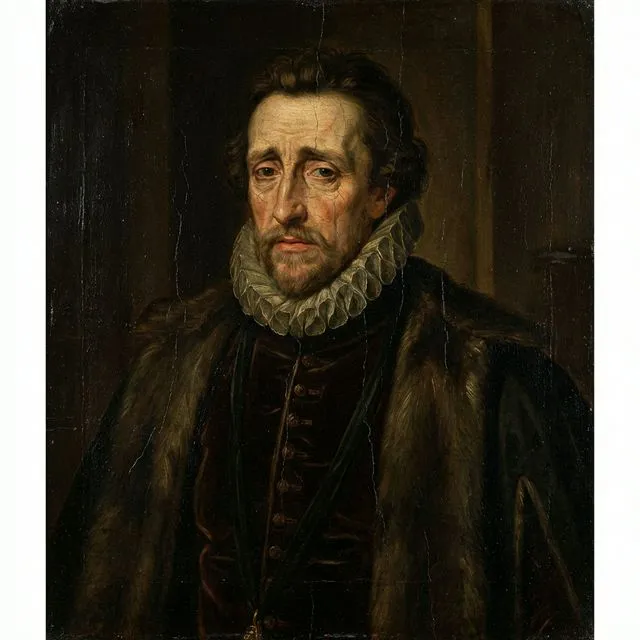
To understand the landscape of sixteenth-century England, one must recognize that the North was effectively a different country from the South. While London and the court of Elizabeth I were pivoting toward a centralized, Protestant bureaucracy, the “dark corners of the land” beyond the River Trent remained fiercely loyal to the “Old Religion” and the ancient feudal order. At the heart of this cultural and political chasm stood the House of Percy, a dynasty that had ruled the borderlands like kings for generations. And at the center of the House of Percy stood Thomas, the 7th Earl of Northumberland - a man destined to become the protagonist of a tragic tale of rebellion, betrayal, and martyrdom.

IND-1873-BM Read Record →
Posts
British History

The Peterloo Massacre: A Turning Point for Democracy

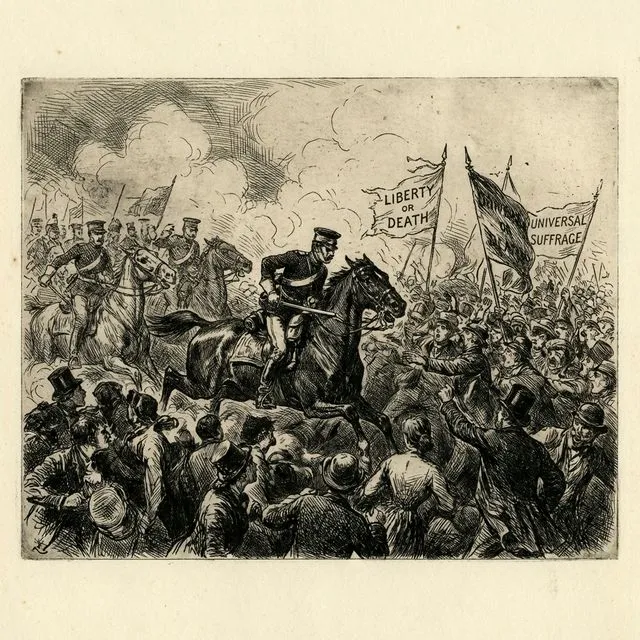
In the grand and often turbulent narrative of British history, few events have scarred the national consciousness as deeply, or as controversially, as the Peterloo Massacre. On the hot summer afternoon of August 16, 1819, the industrial heartland of Manchester became the stage for a violent collision between two worlds: the entrenched power of the old agrarian aristocracy and the desperate, rising tide of the industrial proletariat. What was intended to be a peaceful assembly of 60,000 subjects demanding parliamentary reform dissolved into a bloodbath when local magistrates, gripped by class panic and political paranoia, unleashed armed cavalry upon the crowd.

IND-1819-PM-EXT Read Record →
Posts
British History

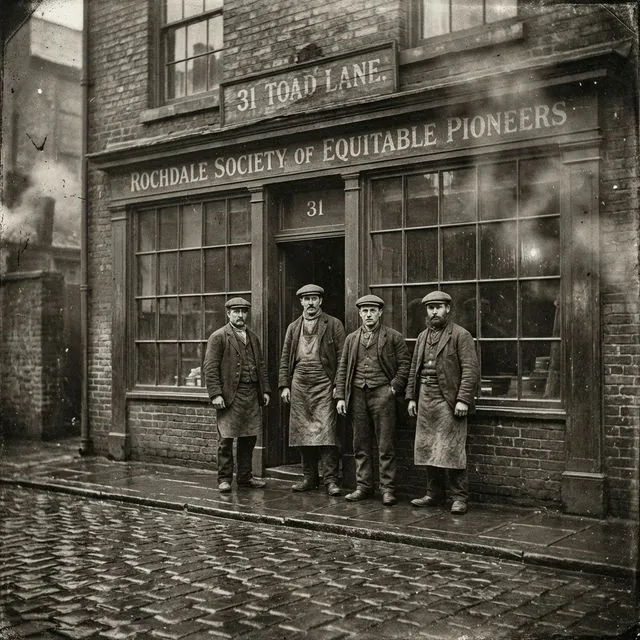
The Rochdale Pioneers: Architects of the Co-operative Commonwealth

The Rochdale Pioneers: Architects of the Co-operative Commonwealth

The history of the Rochdale Society of Equitable Pioneers is frequently reduced to a sentimental narrative: a tableau of twenty-eight impoverished weavers opening a meagre grocery store on a rainy night in Lancashire. While this image provides the movement with its emotional resonance, the true historical significance of the Rochdale Pioneers lies not in their retail operations, but in their constitutional innovation. The “Book of Rules,” formally registered as the “Laws and Objects of the Rochdale Society of Equitable Pioneers” in 1844, represents one of the most sophisticated attempts in the nineteenth century to codify a new economic morality. This document did not merely outline the bylaws of a shop; it provided a comprehensive blueprint for the transition from competitive capitalism to a cooperative commonwealth.

LANC-1844-RCP Read Record →
Posts
Industrial Heritage

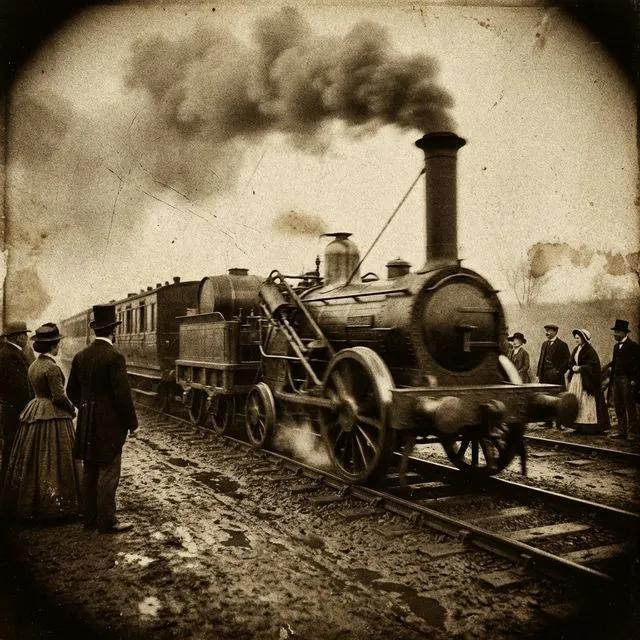
The Rocket: A Locomotive Legend

Introduction: The Synthesis of a Revolution

The year 1829 stands as a demarcation line in the history of human technology. Before this date, the concept of rapid, long-distance travel was biologically limited to the endurance of a horse. After this date, humanity entered the age of the machine. At the center of this transformation was a yellow and black machine known as the Rocket.

However, to view the Rocket merely as a singular invention is to misunderstand its nature. As historical analysis reveals, the creation of this locomotive was an act of brilliant integration. George Stephenson and his son Robert did not conjure the machine from the void; rather, they synthesized years of disparate, often clumsy experimentation into a single, cohesive archetype. By the late 1820s, the engineering world was at a stalemate. Distinguished figures such as James Walker and John Rastrick viewed the steam locomotive as a fundamentally flawed technology - clumsy, slow, and fit only for hauling coal at a snail’s pace on colliery tramways. They argued that it lacked the sustained power required for inter-city transport.

IND-1829-LMR Read Record →
Posts
Ancient and Medieval

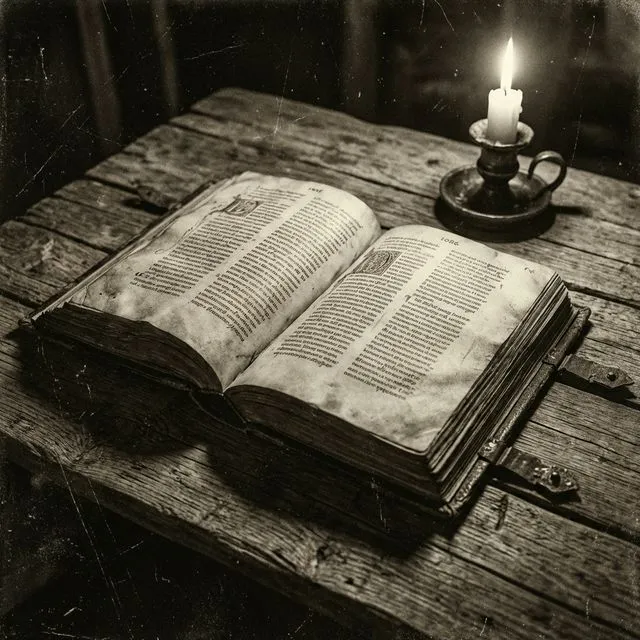
The Silent North: A Forensic Analysis of the Domesday Book of 1086

The Silent North: A Forensic Analysis of the Domesday Book of 1086

In the vast and storied archive of English history, few documents command the authority, the mystique, or the sheer terror of the Domesday Book. Compiled in 1086, it stands as an administrative achievement without parallel in medieval Europe. To the casual observer or the lay reader, it is often characterized reductively as a census - a mere headcount of the peasantry and a list of livestock. However, to the historian, and particularly to those studying the turbulent and scarred history of Northern England, the Liber de Wintonia (Book of Winchester) serves as a witness of a much darker nature.

HIS-1086-DB-NR-EXT Read Record →