100 ARCHIVES

Posts


Posts
British History

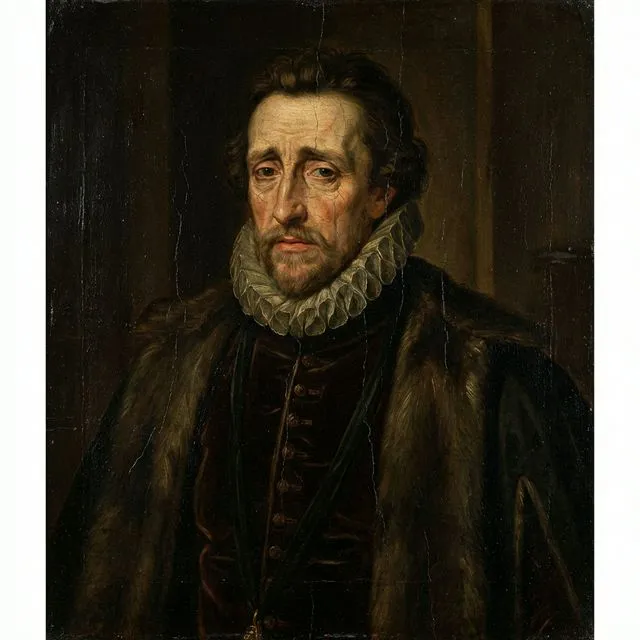
Thomas Percy, 7th Earl of Northumberland: The Rising of the North, 1569

To understand the landscape of sixteenth-century England, one must recognize that the North was effectively a different country from the South. While London and the court of Elizabeth I were pivoting toward a centralized, Protestant bureaucracy, the “dark corners of the land” beyond the River Trent remained fiercely loyal to the “Old Religion” and the ancient feudal order. At the heart of this cultural and political chasm stood the House of Percy, a dynasty that had ruled the borderlands like kings for generations. And at the center of the House of Percy stood Thomas, the 7th Earl of Northumberland - a man destined to become the protagonist of a tragic tale of rebellion, betrayal, and martyrdom.

IND-1873-BM Read Record →
Posts
Science and Innovation

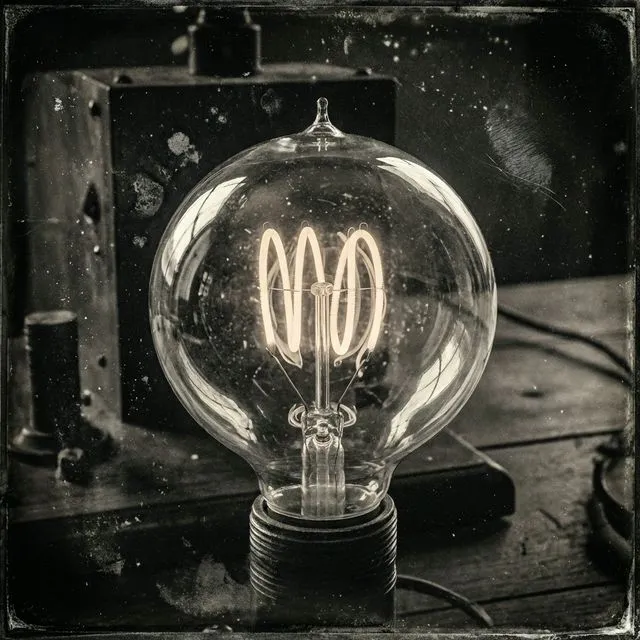
Joseph Swan: The Sunderland Inventor Who Created the Light Bulb Before Edison

The Birth of Light: Joseph Swan, Lord Armstrong, and the Electrical Revolution

The history of the nineteenth century is frequently written in steam and coal - a narrative dominated by the blackened skies of industrial Britain. Yet, in the burgeoning industrial hubs of Northern England, specifically along the banks of the Tyne and the Wear, a silent revolution was being engineered that would eventually banish the very darkness that defined the Victorian age. Contrary to the popular belief that links electric light exclusively to the name Thomas Edison, the true cradle of the incandescent bulb was not Menlo Park, New Jersey, but the rigorous industrial landscape of Tyneside.

INV-1878-SW Read Record →
Posts
Arts and Culture

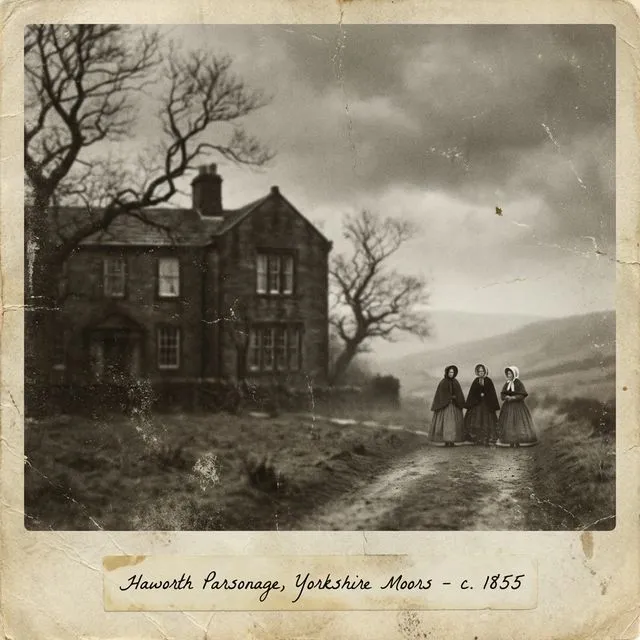
The Brontë Sisters: Charlotte, Emily and Anne – Lives, Books and Legacy

In the autumn of 1847, three novels appeared in quick succession from a small London publisher. The authors were listed as Currer Bell, Ellis Bell, and Acton Bell – three brothers, apparently, from somewhere in the north of England. Critics were puzzled. The writing was unlike anything they had seen: raw, morally serious, hostile to the comfortable conventions of mid-Victorian fiction.

Within a year, the secret was out. The Bell brothers were three sisters: Charlotte, Emily, and Anne Brontë, daughters of an Irish clergyman, living in a parsonage on the edge of the Yorkshire Moors. The discovery did nothing to diminish the work. Jane Eyre, Wuthering Heights, and Agnes Grey have remained continuously in print for nearly 180 years.

LIT-1847-BS Read Record →
Posts
Industrial Heritage

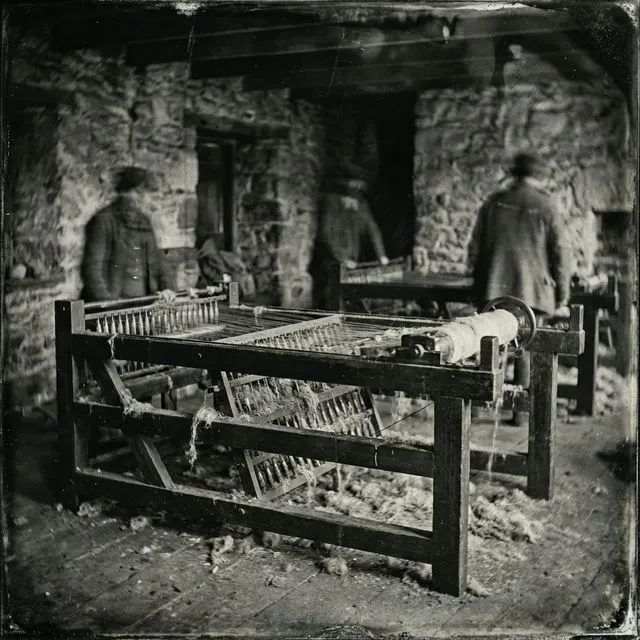
The Spinning Jenny: James Hargreaves's 1764 Invention Explained

Legend has it that in 1764, a weaver named James Hargreaves in Stanhill, Lancashire, watched his daughter Jenny knock over a spinning wheel. Seeing the spindle continue to revolve upright, an idea struck him: could a single wheel turn multiple spindles at once? The answer – the Spinning Jenny – changed the world.

Whether the story of the fallen wheel is true or embellished, the result was undeniable: a machine that allowed one worker to spin eight threads simultaneously, later scaled to eighty. It broke the fundamental bottleneck of the British textile trade and set the Industrial Revolution in motion.

IND-1764-SJ Read Record →
Posts
Ancient and Medieval

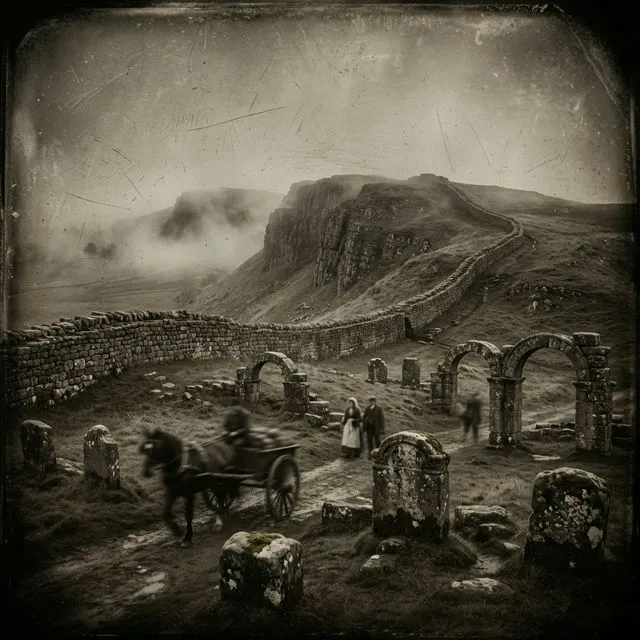
Hadrian's Wall: History, Facts and How to Visit

In AD 122, the Emperor Hadrian arrived in Britain. He came not to conquer but to consolidate – to draw a line under two decades of costly expansion and declare: this is where Rome ends.

The result was Hadrian’s Wall: 73 miles of stone and turf slashed across the narrowest point of northern England, from Wallsend on the River Tyne to Bowness-on-Solway on the Irish Sea. It remains the largest Roman monument in Britain, and one of the best-preserved frontiers of the entire Roman Empire. In 1987 it was designated a UNESCO World Heritage Site.

ARC-0122-HW Read Record →