100 ARCHIVES

Arts and Culture


Arts and Culture
Arts and Culture

Alfred Wainwright: The Man Who Mapped the Fells

Alfred Wainwright: The Man Who Mapped the Fells

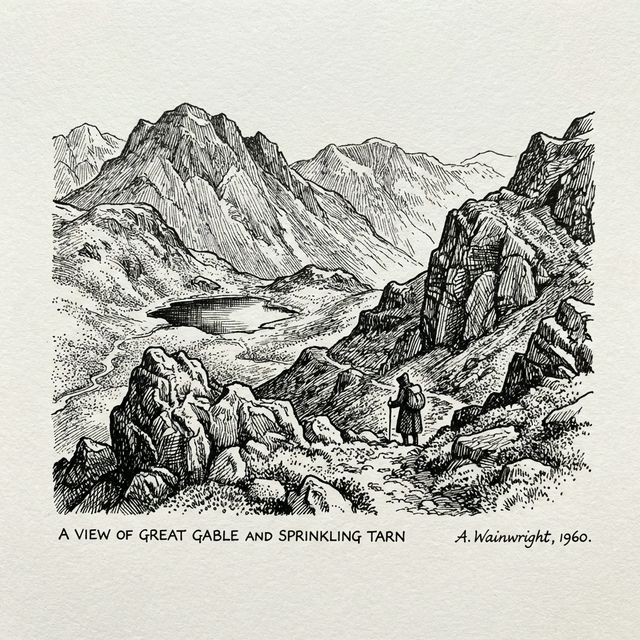
In the annals of British topographical literature and cartography, few figures occupy a position as singular, or as paradoxically revered, as Alfred Wainwright. To categorize him merely as a guidebook author is to fundamentally underestimate the scope of his contribution to the cultural and physical engagement with the English landscape. Wainwright was an artist, a philosopher of solitude, a reluctant celebrity, and an obsessive chronicler who transformed the rugged, chaotic reality of the Lake District fells into a coherent, artistic, and deeply personal masterpiece.

CUM-1955-AW Read Record →
Arts and Culture
Architecture and Landscape

Capability Brown: The Man Who Shaped the English Landscape

Capability Brown: The Man Who Shaped the English Landscape

Introduction: The Architect of the English Imagination

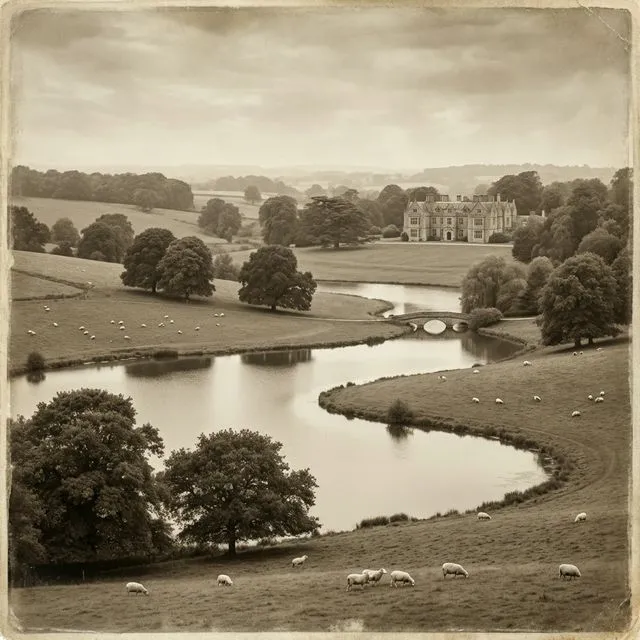
When we gaze upon the British countryside, we are often deceived by its apparent naturalness. We see rolling hills, serpentine lakes that disappear into the distance, and carefully placed clumps of trees that seem to have stood there since time immemorial. However, the English landscape, as it exists in the collective imagination, is not a product of nature alone. It is, to a remarkable degree, a constructed artifact - a deliberate manipulation of earth, water, and vegetation designed to evoke specific emotional responses.

IND-1873-BM Read Record →
Arts and Culture
Arts and Culture

L.S. Lowry: Capturing the Industrial Soul

The Enigma of the Matchstick Man

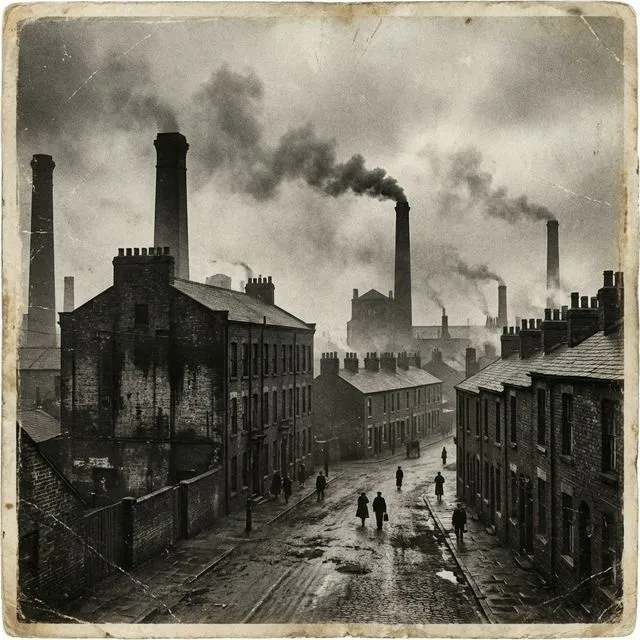
In the grand narrative of twentieth-century British art, Laurence Stephen Lowry (1887–1976) stands as a singular, often paradoxical figure. To the wider public, he is an affectionate icon, the man who immortalized the soot-choked skyline of the industrial North and populated it with his famous “matchstick men.” These figures became the visual shorthand for the working-class experience in mid-century England - a dialect of paint that spoke of clogs, shawls, and the factory whistle. Yet, within the corridors of the art establishment, Lowry has historically been viewed with a degree of skepticism, frequently categorized as a “Sunday painter,” a primitive talent, or a parochial eccentric whose artistic vision was limited to the mill gates of Lancashire.

IND-1914-LSL Read Record →
Arts and Culture
Arts and Culture

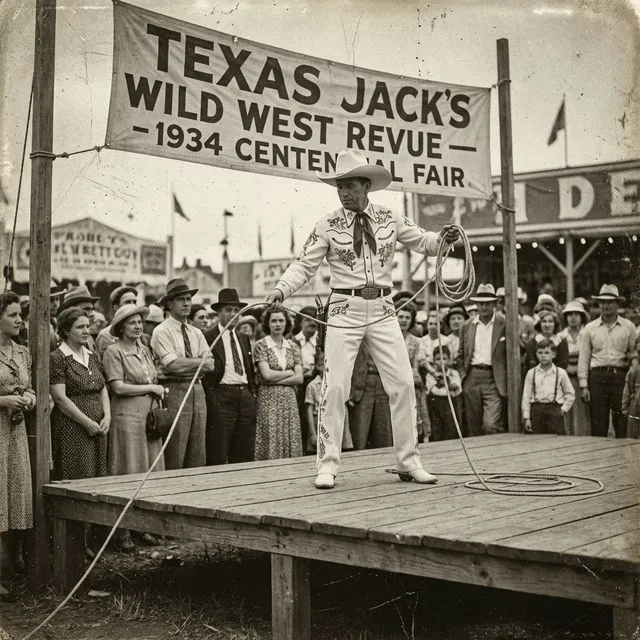
The Cowboy in the Coal Smoke: Richard Shufflebottom and the Wild West of Hull

In the gritty industrial landscape of 1930s Northern England, life was a cycle defined by the factory whistle, the shift change, and the pervasive grey of soot-stained brick. Yet, in the heart of Yorkshire’s manufacturing hubs, a peculiar and vibrant cultural anomaly flourished. Amidst the heavy atmosphere of the interwar period, a performative mythology of the American Frontier took deep root. This article investigates the unlikely dominance of Wild West shows in the region, focusing on the iconic imagery of Richard Shufflebottom - known to the masses by his exotic stage persona “Ricardo Colorado.”

HULL-WEST-1930-UK Read Record →
Arts and Culture
Industrial Heritage

The Great Exhibition of the North: Preserving History and the Digital Paradox

The Great Exhibition of the North: Preserving History

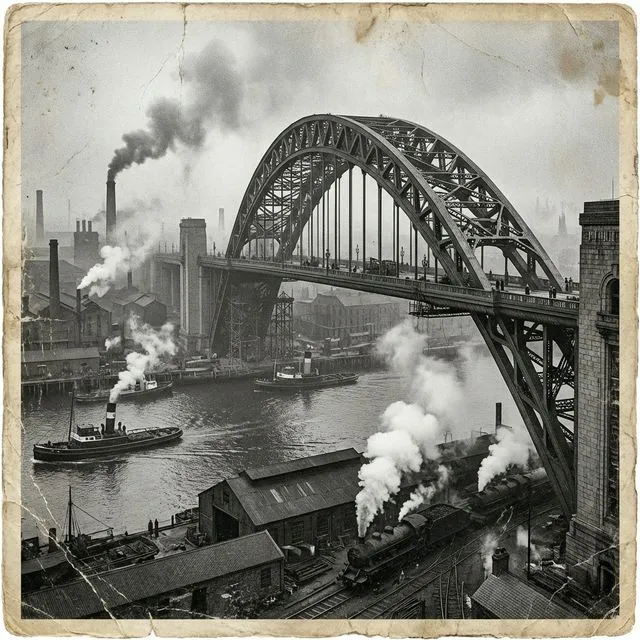
In the summer of 2018, a monumental cultural shift occurred along the banks of the River Tyne. The twin cities of Newcastle and Gateshead transformed themselves into a sprawling, urban canvas for the “Great Exhibition of the North” (GEOTN). This was not merely a festival; it was a strategic cultural mega-event designed to fundamentally reframe the narrative of Northern England. Operating against the complex political backdrop of the “Northern Powerhouse” initiative, the Exhibition had a specific and ambitious mandate: to project an identity that was not solely rooted in a nostalgic, sepia-toned industrial past. Instead, it sought to draw a continuous, glowing line of innovation extending from the steam age directly into the digital revolution.

IND-2018-GEN-REV Read Record →
Arts and Culture
Arts and Culture

The Brontës: Voices from the Moors

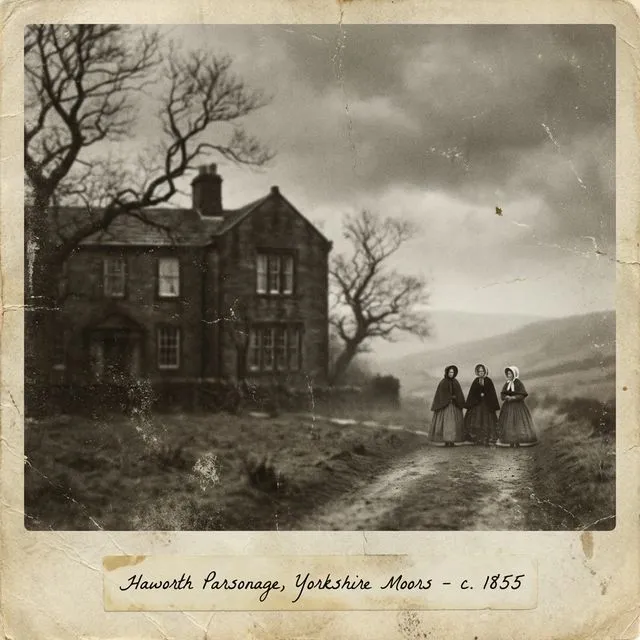
In the windswept isolation of Haworth Parsonage, set against the grim and majestic backdrop of the Yorkshire Moors, three sisters - Charlotte, Emily, and Anne Brontë - wrote stories that would shake the Victorian world.

The Glass Town

Children of an Irish clergyman, they grew up in a place where life was short and harsh. Their mother died young, as did their two elder sisters. To escape the reality of the graveyard next door, they created elaborate fantasy worlds: Angria and Gondal. These tiny, hand-stitched books were the training ground for their genius.

LIT-1847-BS Read Record →