100 ARCHIVES

Architecture and Landscape


Architecture and Landscape
Arts and Culture

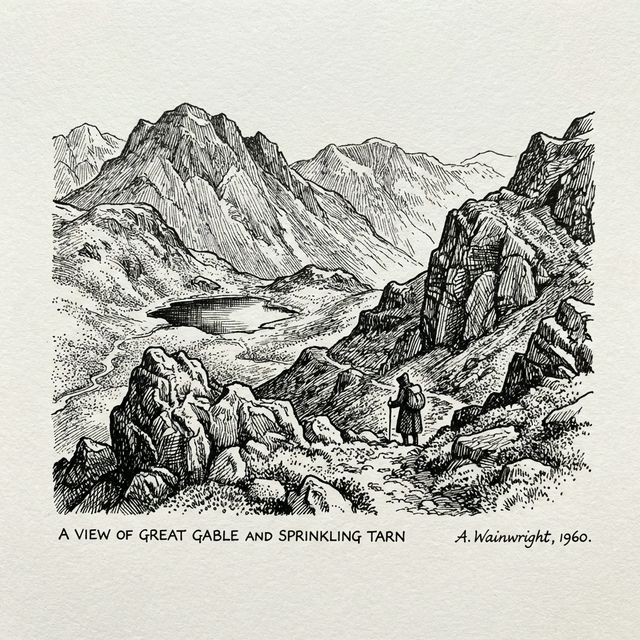
Alfred Wainwright: The Man Who Mapped the Fells

Alfred Wainwright: The Man Who Mapped the Fells

In the annals of British topographical literature and cartography, few figures occupy a position as singular, or as paradoxically revered, as Alfred Wainwright. To categorize him merely as a guidebook author is to fundamentally underestimate the scope of his contribution to the cultural and physical engagement with the English landscape. Wainwright was an artist, a philosopher of solitude, a reluctant celebrity, and an obsessive chronicler who transformed the rugged, chaotic reality of the Lake District fells into a coherent, artistic, and deeply personal masterpiece.

CUM-1955-AW Read Record →
Architecture and Landscape
Industrial Heritage

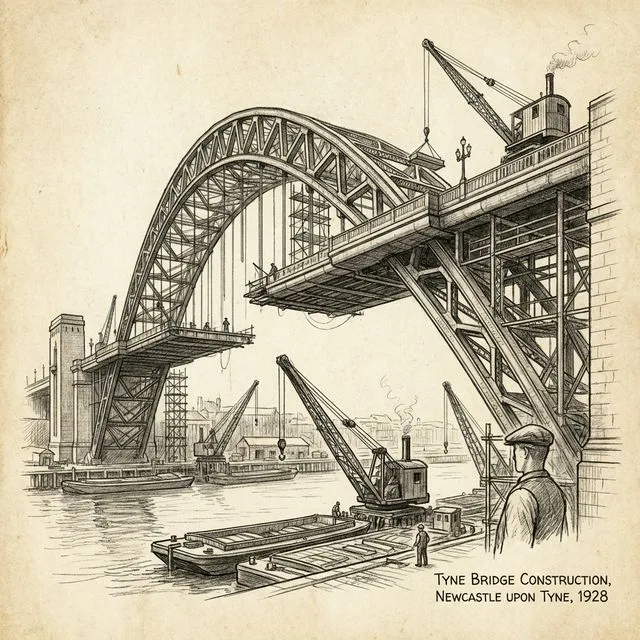
Building the Tyne Bridge: A Symbol of Northern Resilience

Introduction: The Industrial Geography of the River Tyne

For two millennia, the River Tyne has served a dual purpose in the geography of North East England. Carving its path through the rugged topography of the region, it has acted as a formidable physical boundary separating the settlements of Newcastle and Gateshead. Simultaneously, it functioned as the primary commercial artery for the British Empire, a waterway that pumped the lifeblood of the nation - coal and ships - out to the rest of the globe. However, by the dawn of the twentieth century, the gorge of the Tyne presented a severe logistical paradox that threatened to strangle the region’s development.

IND-1928-TB-NE Read Record →
Architecture and Landscape

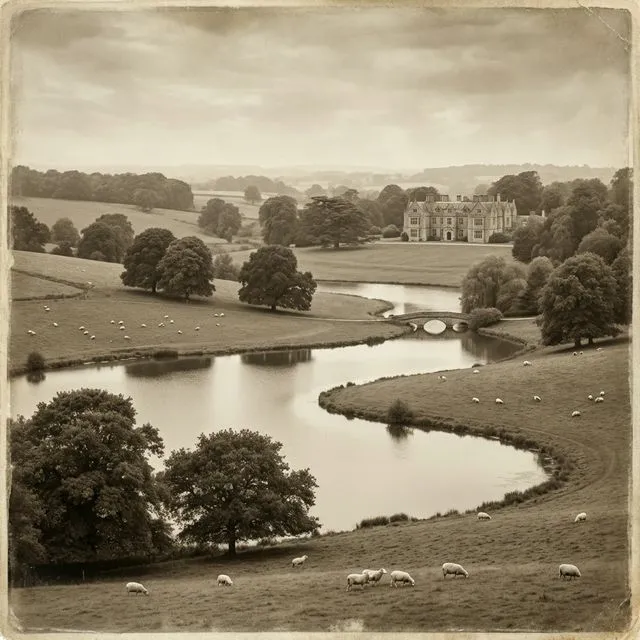
Capability Brown: The Man Who Shaped the English Landscape

Capability Brown: The Man Who Shaped the English Landscape

Introduction: The Architect of the English Imagination

When we gaze upon the British countryside, we are often deceived by its apparent naturalness. We see rolling hills, serpentine lakes that disappear into the distance, and carefully placed clumps of trees that seem to have stood there since time immemorial. However, the English landscape, as it exists in the collective imagination, is not a product of nature alone. It is, to a remarkable degree, a constructed artifact - a deliberate manipulation of earth, water, and vegetation designed to evoke specific emotional responses.

IND-1873-BM Read Record →
Architecture and Landscape

The Bank of England’s Northern Branch: Architecture of Power

Introduction: The Stone and the Sovereign

In the early decades of the 19th century, Newcastle upon Tyne presented a striking paradox to the observer. It was a city of profound duality, defined by a violent collision between the gritty reality of production and the high ideals of civilization. On one side lay the roaring engine of the British Industrial Revolution: a landscape scarred by the relentless extraction of coal, the forging of iron, and a rapidly expanding proletariat workforce living beneath the shadow of smoke-belching chimneys. On the other side, however, a different city was rising - one of the most ambitious and refined urban planning projects in European history. This was the birth of Grainger Town.

ARC-1838-GrySt Read Record →
Architecture and Landscape
Ancient and Medieval

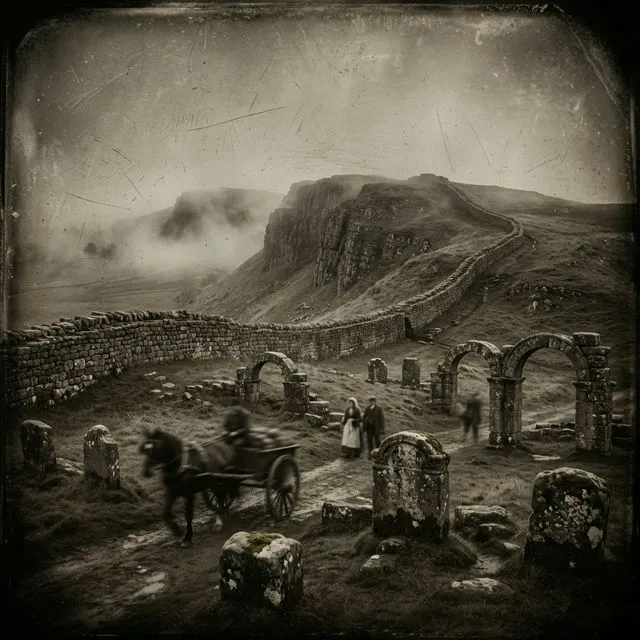
Hadrian's Wall: The Edge of Empire

In 122 AD, the Emperor Hadrian visited Britain. Looking north at the rugged, untamed lands of the Caledonians, he decided that the expansion of Rome must end. He ordered a wall to be built, “to separate the Romans from the barbarians.”

It was a feat of engineering without parallel in the western world. Stretching 73 miles (80 Roman miles) from Wallsend on the River Tyne to Bowness-on-Solway in the west, it slashed across the neck of England.

ARC-0122-HW Read Record →