Roston in the Domesday Book (1086)
Roston appears in the Domesday Book of 1086, entered under the hundred of Appletree in Derbyshire. The survey assessed Roston at 12 carucates of taxable land.
At the time of the survey, Roston supported a recorded population of 11 villagers, 16 smallholders, 4 slaves, working 8 ploughs between them.
By 1086 Roston was worth 8 shillings, up from 7 shillings before the Conquest – one of the few settlements in the area to hold its value through the upheaval.
The survey lists 2 manors at Roston under different lords. Splitting a single settlement between multiple tenants was common across the North – Saxon estates broken up and handed to William’s followers after 1066.
Resources Recorded at Roston (1086)
- Churches: 1
- Meadow: 8 acres
- Woodland: 10 swine render
Other Settlements in Appletree
- Alkmonton
- Ashe
- Aston
- Barton [Blount]
- Bentley
- Boylestone
- Bradley
- Brailsford
- Bupton
- Clifton
- Doveridge
- Eaton [Dovedale]
- Edlaston
- Ednaston
The Meaning of the Name
The name Roston is of Anglo-Saxon origin. Its final element derives from the Old English word tūn, a farmstead or village. The first element is most likely a personal name or an early descriptive term, now difficult to recover with certainty. Taken together the name probably meant something close to ‘a farmstead’.
Remarkably, the name has changed little since 1086, when the Domesday scribes wrote it as Roston.
Roston Today
Today Roston lies within the administrative area of Norbury and Roston.
Read more about modern Roston on Wikipedia .
Nearby Domesday Settlements
Other places recorded in the 1086 survey within a few miles:
Heritage Around Roston
Photographs of churches, listed buildings and monuments in the vicinity, contributed by volunteers to the Geograph project and reused here under a Creative Commons licence.
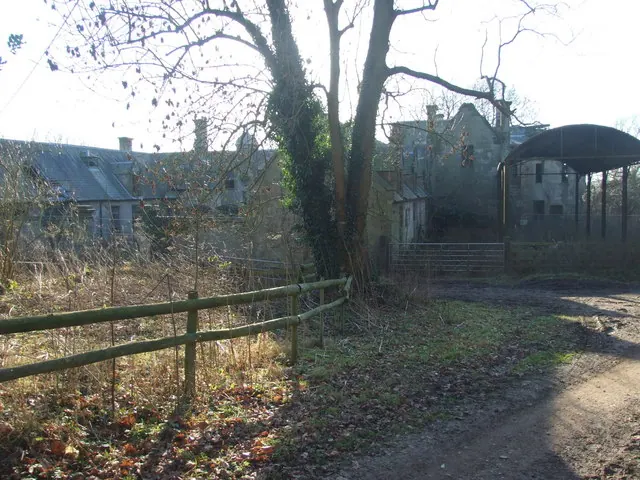
© Peter Taylor · Geograph · CC BY-SA 2.0
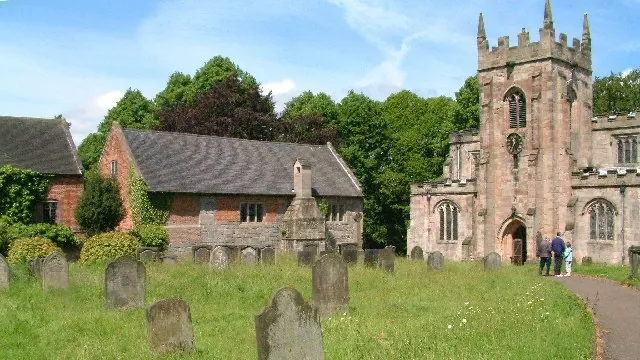
© Alan Walker · Geograph · CC BY-SA 2.0
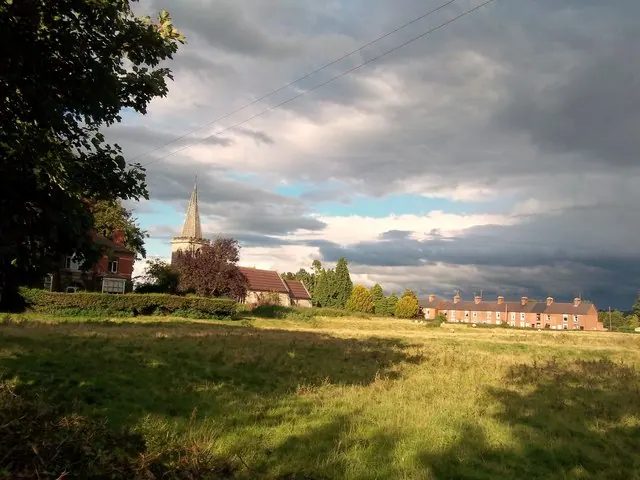
© Jonathan Clitheroe · Geograph · CC BY-SA 2.0
Images © their respective photographers, licensed under CC BY-SA 2.0 and reused here with attribution. Photographs depict listed buildings, churches and monuments near this settlement and may show neighbouring villages.
Data derived from the Open Domesday project (opendomesday.org), based on the Domesday Book dataset compiled by Professor J.J.N. Palmer and team. The Domesday Book (1086) is in the public domain.
Found an inaccuracy? [email protected]