Morton Grange in the Domesday Book (1086)
The settlement of Morton Grange is recorded in William I’s Domesday survey of 1086, entered under the hundred of Langbaurgh in Yorkshire.
Other Settlements in Langbaurgh
- Acklam
- Airy [Holme]
- Aislaby
- Arnodestorp
- Baldebi
- Barnaby
- Barwick
- Battersby
- Bergolbi
- Berguluesbi
- Blaten [Carr]
- Borrowby
- Breck
- Brotton
The Meaning of the Name
The name Morton Grange is of Anglo-Saxon origin. Its final element derives from the Old English word tūn, a farmstead or village. The first element is most likely a personal name or an early descriptive term, now difficult to recover with certainty. Taken together the name probably meant something close to ‘a farmstead’.
Remarkably, the name has changed little since 1086, when the Domesday scribes wrote it as Morton Grange.
Listed Buildings Near Morton Grange
Historic England records 2 listed buildings within about a mile of Morton Grange. Listing protects structures of special architectural or historic interest, graded I (exceptional), II* (particularly important) and II.
Grade II
- Morton Grange Farmhouse, and Adjoining Former Farm Cottage - 0.08 km
- Barn/granary 15 Metres to North West of Morton Grange Farmhouse - 0.09 km
Morton Grange Today
Today Morton Grange lies within the administrative area of Guisborough.
Nearby Domesday Settlements
Other places recorded in the 1086 survey within a few miles:
- Nunthorpe - 1.4 km SW
- Newton - 1.4 km SE
- Pinchinthorpe Hall - 2.0 km E
- Upsall Hall - 2.2 km NE
- Barnaby - 2.8 km NE
- Ormesby - 2.8 km NW
Heritage Around Morton [Grange]
Photographs of churches, listed buildings and monuments in the vicinity, contributed by volunteers to the Geograph project and reused here under a Creative Commons licence.
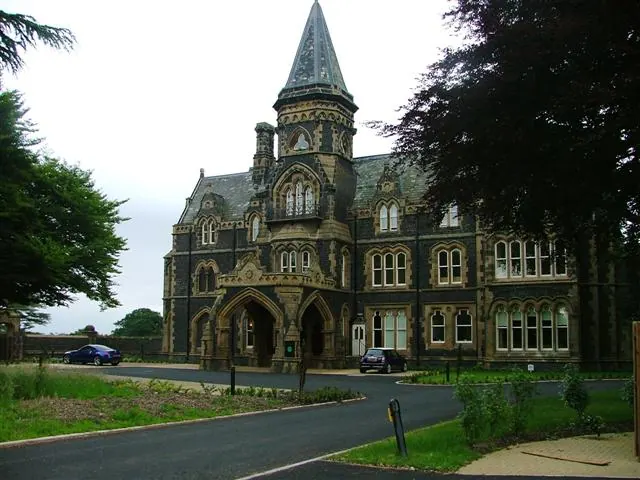
© Mick Garratt · Geograph · CC BY-SA 2.0
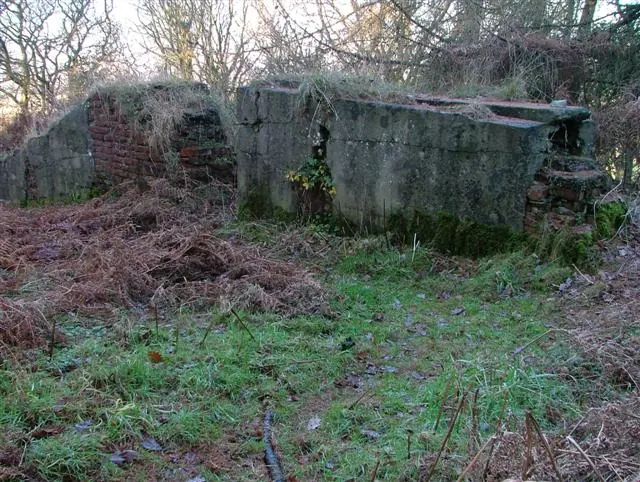
© Mick Garratt · Geograph · CC BY-SA 2.0
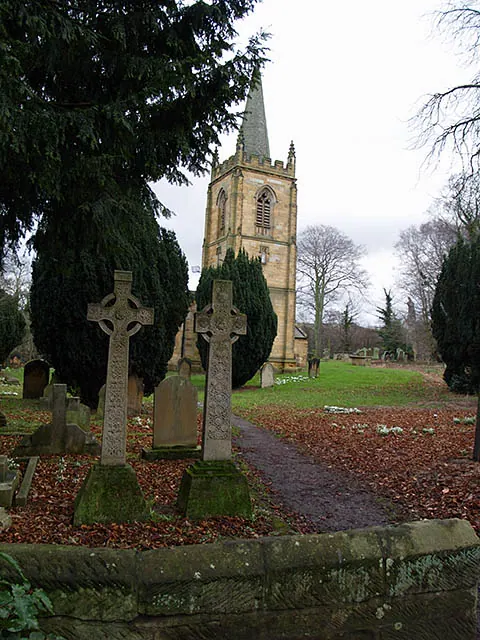
© Stephen McCulloch · Geograph · CC BY-SA 2.0
Images © their respective photographers, licensed under CC BY-SA 2.0 and reused here with attribution. Photographs depict listed buildings, churches and monuments near this settlement and may show neighbouring villages.
Data derived from the Open Domesday project (opendomesday.org), based on the Domesday Book dataset compiled by Professor J.J.N. Palmer and team. The Domesday Book (1086) is in the public domain.
Found an inaccuracy? [email protected]