Mere in the Domesday Book (1086)
The settlement of Mere is recorded in William I’s Domesday survey of 1086, entered under the hundred of Tunendune in Cheshire.
Other Settlements in Tunendune
- Alretunstall
- Antrobus
- Baguley
- Bowdon
- Chapmonswiche
- Cogshall
- Dutton
- Hale
- Halton
- Knutsford
- Middle Aston
- Millington
- Rostherne
- Sinderland
The Meaning of the Name
The origin of the name Mere is not securely established from its modern form alone; like many settlement names in the North it likely combines an Old English or Old Norse personal name with a landscape term.
Remarkably, the name has changed little since 1086, when the Domesday scribes wrote it as Mere.
Listed Buildings Near Mere
Historic England records 7 listed buildings within about a mile of Mere. Listing protects structures of special architectural or historic interest, graded I (exceptional), II* (particularly important) and II.
Grade II
- Mere Old Hall - 0.23 km
- Entrance Arch and Gates to Mere Country Club and Golf Course Mere New Hall - 0.25 km
- Kitchen Garden Walls With Attached Sheds at Mere Hall - 0.29 km
- Aa Box 372 at Mere Corner - 0.3 km
- Stable Block at Mere Country Club and Golf Course at Mere New Hall - 0.49 km
- Thatched Cottage - 1.03 km
- Mere Lodge - 1.07 km
Mere Today
Today Mere lies within the administrative area of Cheshire East, and the settlement recorded a population of 778 at the 2021 census. Nine and a half centuries separate that figure from the small rural community the Domesday survey recorded here in 1086.
Read more about modern Mere on Wikipedia .
Nearby Domesday Settlements
Other places recorded in the 1086 survey within a few miles:
- Over Tabley - 1.0 km S
- Tatton - 2.0 km E
- Rostherne - 2.8 km NE
- Millington - 3.0 km N
- Nether Tabley - 3.0 km S
- High Legh - 4.2 km NW
Heritage Around Mere
Photographs of churches, listed buildings and monuments in the vicinity, contributed by volunteers to the Geograph project and reused here under a Creative Commons licence.
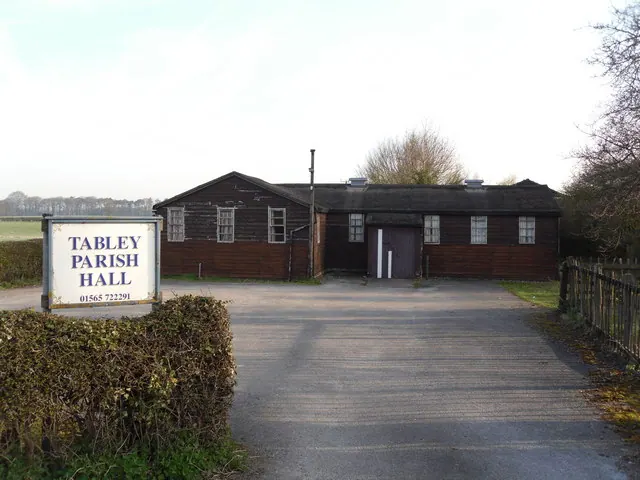
© Iain Lees · Geograph · CC BY-SA 2.0
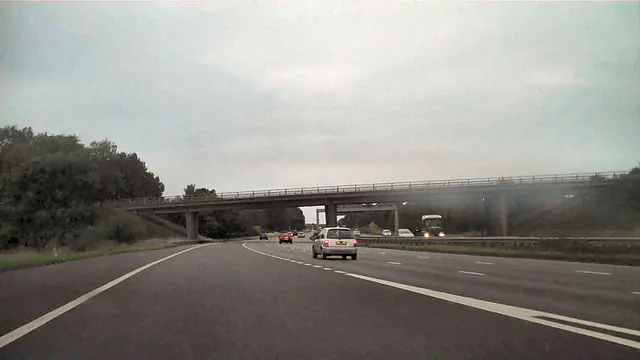
© David Dixon · Geograph · CC BY-SA 2.0
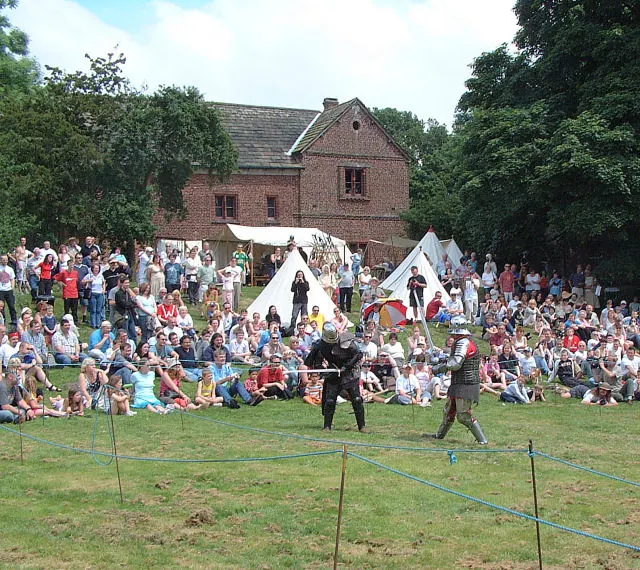
© Gary Rogers · Geograph · CC BY-SA 2.0
Images © their respective photographers, licensed under CC BY-SA 2.0 and reused here with attribution. Photographs depict listed buildings, churches and monuments near this settlement and may show neighbouring villages.
Data derived from the Open Domesday project (opendomesday.org), based on the Domesday Book dataset compiled by Professor J.J.N. Palmer and team. The Domesday Book (1086) is in the public domain.
Found an inaccuracy? [email protected]