100 ARCHIVES

British History


British History
British History

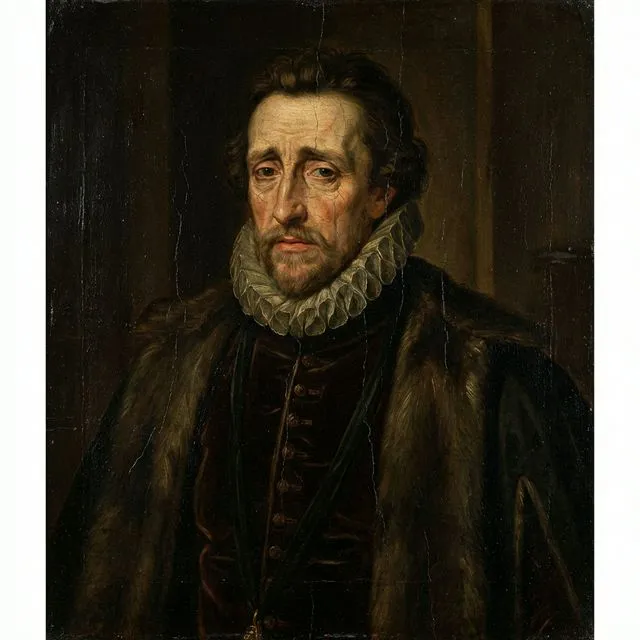
Thomas Percy, 7th Earl of Northumberland: The Rising of the North, 1569

To understand the landscape of sixteenth-century England, one must recognize that the North was effectively a different country from the South. While London and the court of Elizabeth I were pivoting toward a centralized, Protestant bureaucracy, the “dark corners of the land” beyond the River Trent remained fiercely loyal to the “Old Religion” and the ancient feudal order. At the heart of this cultural and political chasm stood the House of Percy, a dynasty that had ruled the borderlands like kings for generations. And at the center of the House of Percy stood Thomas, the 7th Earl of Northumberland - a man destined to become the protagonist of a tragic tale of rebellion, betrayal, and martyrdom.

IND-1873-BM Read Record →
IMG NOT FOUND
British History

Abney in the Domesday Book (1086)

Abney appears in the Domesday Book of 1086, entered under the hundred of Blackwell in Derbyshire.

Other Settlements in Blackwell

The Meaning of the Name

The origin of the name Abney is not securely established from its modern form alone; like many settlement names in the North it likely combines an Old English or Old Norse personal name with a landscape term.

IMG NOT FOUND
British History

Acaster Malbis in the Domesday Book (1086)

Acaster Malbis appears in the Domesday Book of 1086, entered under the hundred of Ainsty in Yorkshire. The survey assessed Acaster Malbis at 1.5 carucates of taxable land.

At the time of the survey, Acaster Malbis supported a recorded population of 4 smallholders, working 1 plough between them.

The numbers record a sharp fall. Before 1066, Acaster Malbis was worth 1.5 shillings; by 1086 that had dropped to 1 shilling – a fall of 33%. Most Yorkshire villages that lost value on this scale were swept up in the Harrying of the North – William’s scorched-earth campaign of 1069–70.

IMG NOT FOUND
British History

Acaster Selby in the Domesday Book (1086)

The settlement of Acaster Selby is recorded in William I’s Domesday survey of 1086, entered under the hundred of Ainsty in Yorkshire.

Other Settlements in Ainsty

The Meaning of the Name

The name Acaster Selby is of Anglo-Saxon origin. Its final element derives from the Old English word ceaster (from Latin castra), a Roman fort or walled town, while the first element appears to represent oak (OE āc). Taken together the name probably meant something close to ’the oak Roman fort’.

IMG NOT FOUND
British History

Achebi in the Domesday Book (1086)

Achebi is named in the Domesday Book, compiled by Norman commissioners in 1086, entered under the hundred of Land of Count Alan in Yorkshire.

Other Settlements in Land of Count Alan

The Meaning of the Name

The origin of the name Achebi is not securely established from its modern form alone; like many settlement names in the North it likely combines an Old English or Old Norse personal name with a landscape term.

IMG NOT FOUND
British History

Acklam in the Domesday Book (1086)

The 1086 Domesday survey records the settlement of Acklam, entered under the hundred of Acklam in Yorkshire.

Other Settlements in Acklam

The Meaning of the Name

The origin of the name Acklam is not securely established from its modern form alone; like many settlement names in the North it likely combines an Old English or Old Norse personal name with a landscape term.

IMG NOT FOUND
British History

Acklam in the Domesday Book (1086)

The 1086 Domesday survey records the settlement of Acklam, entered under the hundred of Langbaurgh in Yorkshire.

Other Settlements in Langbaurgh

The Meaning of the Name

The origin of the name Acklam is not securely established from its modern form alone; like many settlement names in the North it likely combines an Old English or Old Norse personal name with a landscape term.

IMG NOT FOUND
British History

Ackton in the Domesday Book (1086)

Ackton is named in the Domesday Book, compiled by Norman commissioners in 1086, entered under the hundred of Agbrigg in Yorkshire.

Other Settlements in Agbrigg

The Meaning of the Name

The name Ackton is of Anglo-Saxon origin. Its final element derives from the Old English word tūn, a farmstead or village, while the first element appears to represent oak (OE āc). Taken together the name probably meant something close to ’the oak farmstead’.

IMG NOT FOUND
British History

Acomb in the Domesday Book (1086)

Acomb appears in the Domesday Book of 1086, entered under the hundred of Ainsty in Yorkshire.

Other Settlements in Ainsty

The Meaning of the Name

The origin of the name Acomb is not securely established from its modern form alone; like many settlement names in the North it likely combines an Old English or Old Norse personal name with a landscape term.