100 ARCHIVES

British History


British History
Maritime and Trade

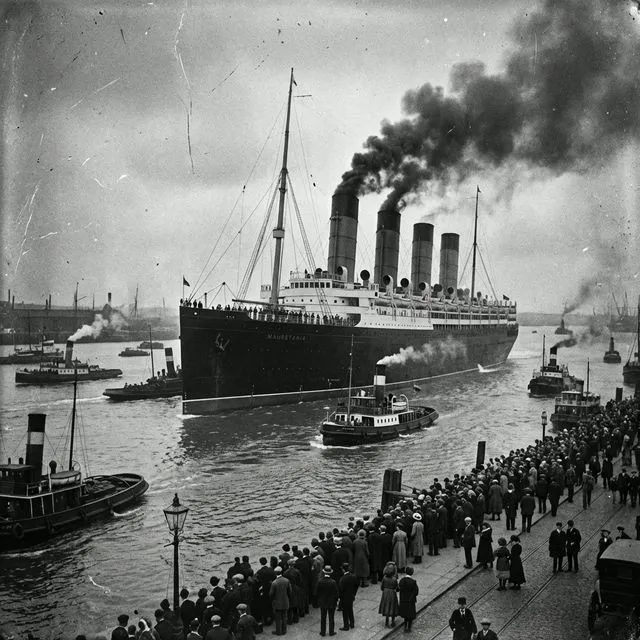
Cunard Line: The Gateway to the New World

Cunard Line: The Gateway to the New World

When we look back at the nineteenth century, our minds often turn to the heavy industries that defined the era: the extraction of coal and the forging of iron. These were the raw materials that powered the engines shrinking the globe. However, there is another material, far more fragile yet equally enduring, that captures the human essence of this industrial transformation: ink.

IND-1873-BM Read Record →
British History
Maritime and Trade

From Open Market to High Street: The Genesis of Marks & Spencer

From Open Market to High Street: The Genesis of Marks & Spencer

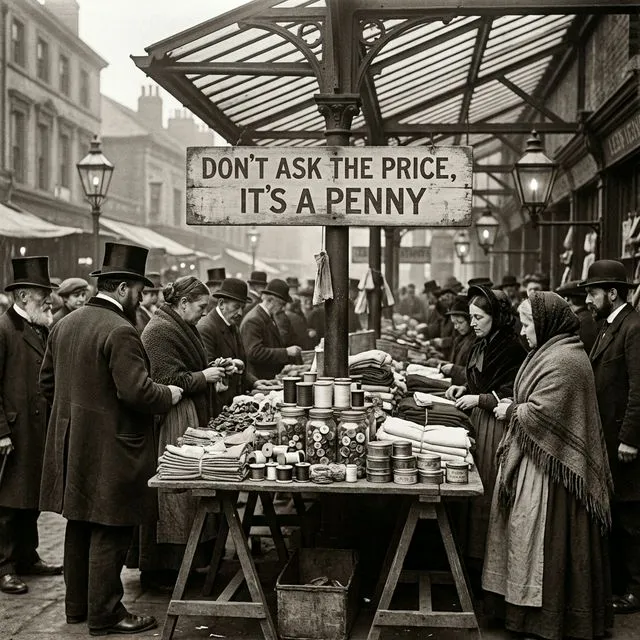
The history of British retail is often told through the lens of grand London department stores, but the true revolution in consumer culture began much further north, amidst the industrial clamor of Leeds. The story of Marks & Spencer is not merely a corporate biography; it is a narrative of architectural evolution, sociological shifts, and an unlikely partnership that bridged the gap between Eastern European migration and Yorkshire pragmatism. To understand the global giant we know today, we must look past the modern food halls and return to the wooden trestle tables of the late Victorian era.

LDS-1884-MS Read Record →
British History
Science and Innovation

Nuclear Dawn: Calder Hall and Britain's Atomic Age (1956–1966)

Nuclear Dawn: The Spirit of 1966 and the Atomic Chronicle

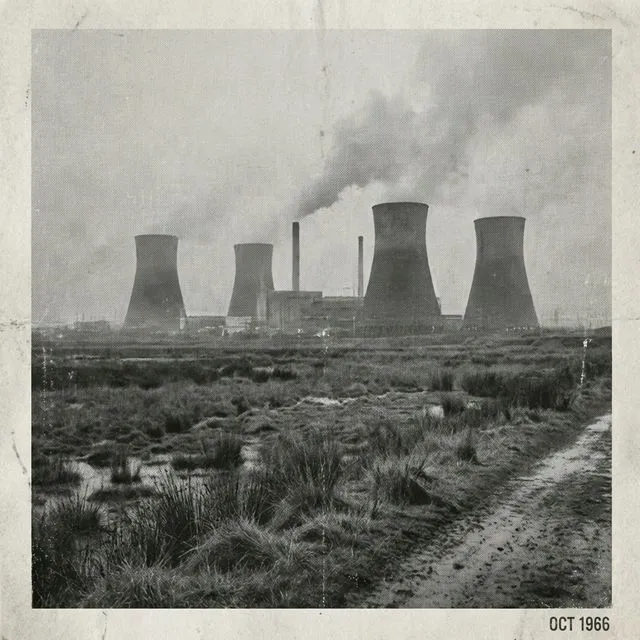
In November 1966, the United Kingdom Atomic Energy Authority (UKAEA) released a publication that appeared, on the surface, to be a standard technical retrospective. Titled Ten Years of Nuclear Power: A Salute to Calder Hall, this booklet was issued to mark the decennial of the world’s first commercial nuclear power station, situated on the remote and windswept coast of West Cumbria. However, to view this document merely as a catalogue of engineering statistics or a report on electricity generation is to miss its profound historical significance. Functionally, it served as a manifesto of British modernity, a crystallized artifact of a specific cultural and political moment that historians now recognize as the high-water mark of the “White Heat” era.

IND-1873-BM Read Record →
British History
British History

The Birtley Belgians: A Sovereign Enclave in County Durham

Introduction: An Anomaly of War

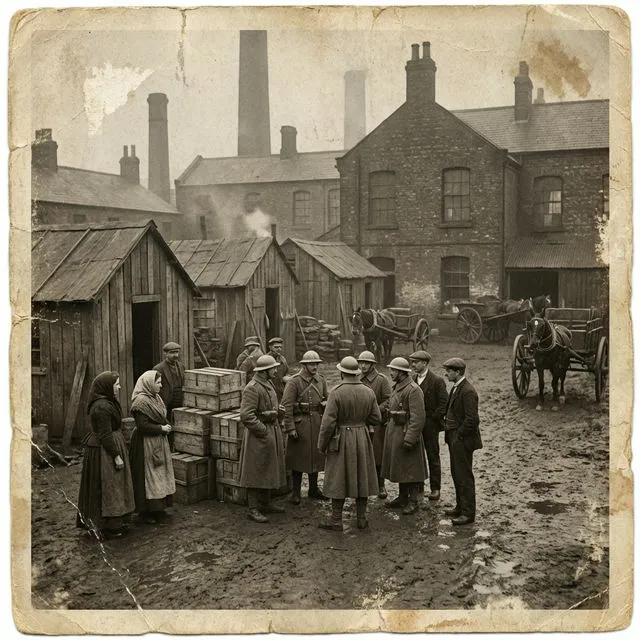
In the vast and tragic history of the First World War, few stories are as peculiar or as significant as that of the “Birtley Belgians.” While the conflict is usually remembered for the static horror of the trenches or the grand geopolitical maneuvers of the Great Powers, a unique experiment in transnational cooperation was unfolding in the industrial heartland of Northern England. Here, in Birtley, County Durham, a piece of foreign territory was effectively carved out of the British landscape.

IND-1873-BM Read Record →
British History
Arts and Culture

The Cowboy in the Coal Smoke: Richard Shufflebottom and the Wild West of Hull

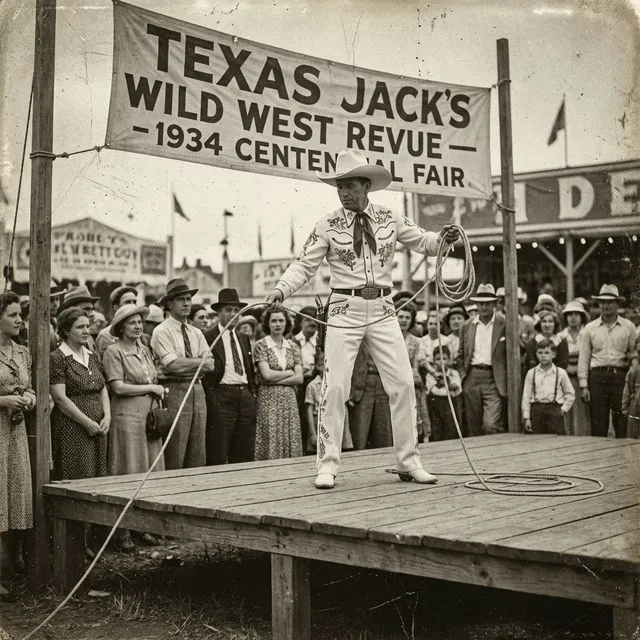
In the gritty industrial landscape of 1930s Northern England, life was a cycle defined by the factory whistle, the shift change, and the pervasive grey of soot-stained brick. Yet, in the heart of Yorkshire’s manufacturing hubs, a peculiar and vibrant cultural anomaly flourished. Amidst the heavy atmosphere of the interwar period, a performative mythology of the American Frontier took deep root. This article investigates the unlikely dominance of Wild West shows in the region, focusing on the iconic imagery of Richard Shufflebottom - known to the masses by his exotic stage persona “Ricardo Colorado.”

HULL-WEST-1930-UK Read Record →
British History
British History

The Peterloo Massacre: A Turning Point for Democracy

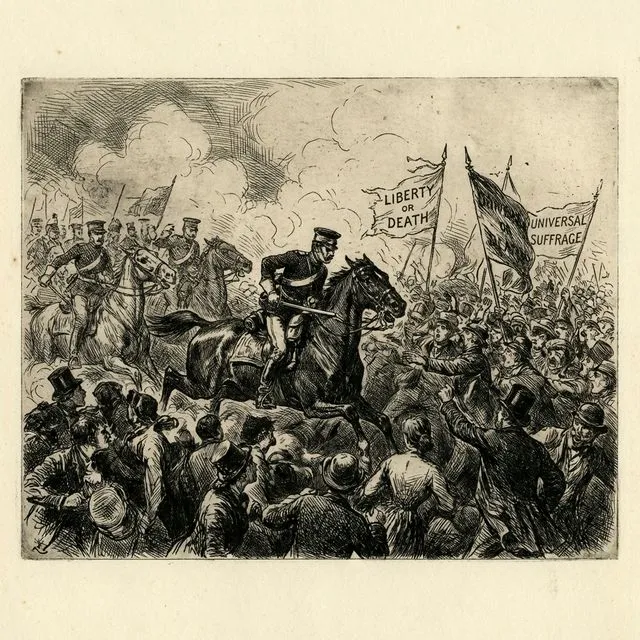
In the grand and often turbulent narrative of British history, few events have scarred the national consciousness as deeply, or as controversially, as the Peterloo Massacre. On the hot summer afternoon of August 16, 1819, the industrial heartland of Manchester became the stage for a violent collision between two worlds: the entrenched power of the old agrarian aristocracy and the desperate, rising tide of the industrial proletariat. What was intended to be a peaceful assembly of 60,000 subjects demanding parliamentary reform dissolved into a bloodbath when local magistrates, gripped by class panic and political paranoia, unleashed armed cavalry upon the crowd.

IND-1819-PM-EXT Read Record →
British History
British History

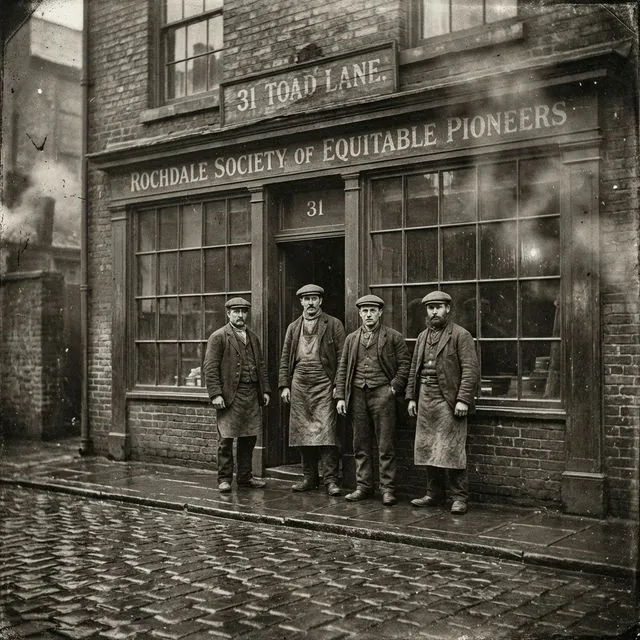
The Rochdale Pioneers: How 28 Weavers Founded the Co-operative Movement in 1844

The Rochdale Pioneers: Architects of the Co-operative Commonwealth

The history of the Rochdale Society of Equitable Pioneers is frequently reduced to a sentimental narrative: a tableau of twenty-eight impoverished weavers opening a meagre grocery store on a rainy night in Lancashire. While this image provides the movement with its emotional resonance, the true historical significance of the Rochdale Pioneers lies not in their retail operations, but in their constitutional innovation. The “Book of Rules,” formally registered as the “Laws and Objects of the Rochdale Society of Equitable Pioneers” in 1844, represents one of the most sophisticated attempts in the nineteenth century to codify a new economic morality. This document did not merely outline the bylaws of a shop; it provided a comprehensive blueprint for the transition from competitive capitalism to a cooperative commonwealth.

LANC-1844-RCP Read Record →
British History
Ancient and Medieval

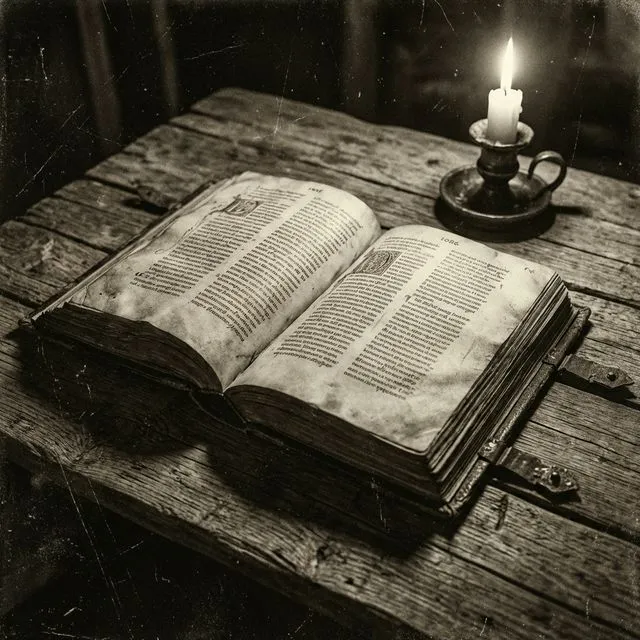
The Silent North: A Forensic Analysis of the Domesday Book of 1086

The Silent North: A Forensic Analysis of the Domesday Book of 1086

In the vast and storied archive of English history, few documents command the authority, the mystique, or the sheer terror of the Domesday Book. Compiled in 1086, it stands as an administrative achievement without parallel in medieval Europe. To the casual observer or the lay reader, it is often characterized reductively as a census - a mere headcount of the peasantry and a list of livestock. However, to the historian, and particularly to those studying the turbulent and scarred history of Northern England, the Liber de Wintonia (Book of Winchester) serves as a witness of a much darker nature.

HIS-1086-DB-NR-EXT Read Record →
British History
Sports and Leisure

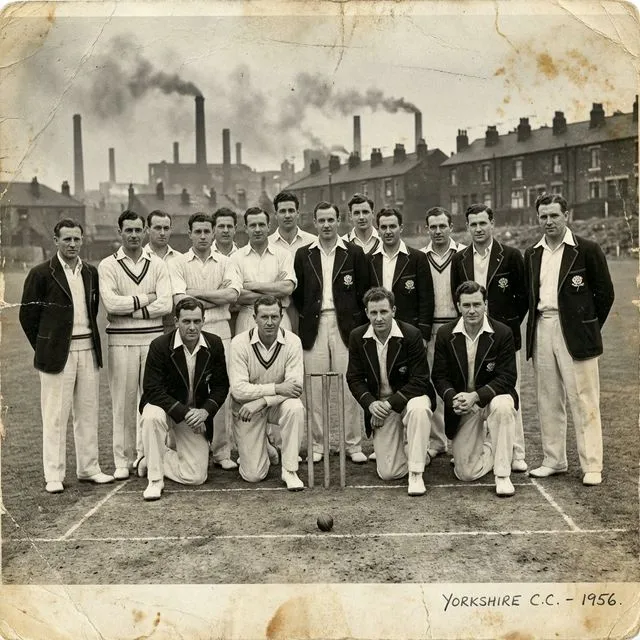
The White Rose in Transition: An Anatomy of Yorkshire Cricket in 1956

Introduction: The Fulcrum of History

In the vast and storied narrative of English sport, few years carry the silent weight of 1956. For the Yorkshire County Cricket Club (YCCC), this was not merely another season recorded in the Wisden Cricketers’ Almanack; it was a fundamental historical fulcrum. To the external world, the club appeared as a monolith of stability - a bastion of Northern tradition that seemed impervious to the passage of time. However, a forensic examination of the club’s internal reality reveals an institution suspended precariously between two distinct epochs: the rigid, classical grandeur of the pre-war years and the aggressive, turbulent modernity that would soon engulf the sporting world of the 1960s.

YRK-1956-DEPTH Read Record →