100 ARCHIVES

Ancient and Medieval


Ancient and Medieval

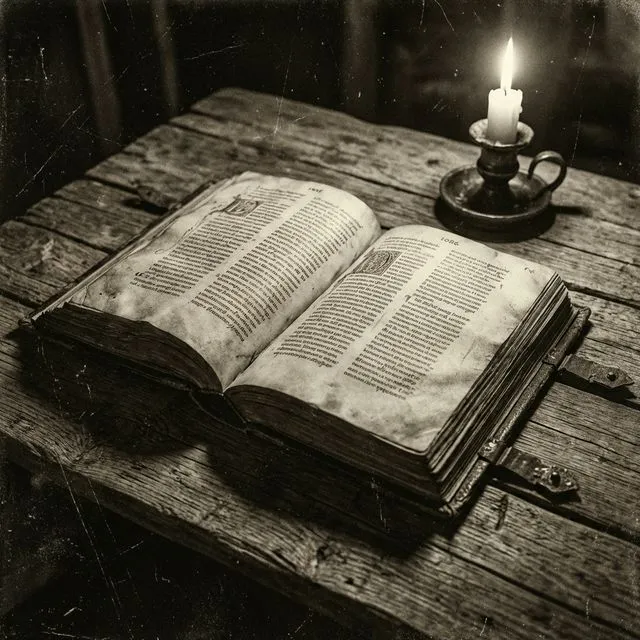
The Silent North: A Forensic Analysis of the Domesday Book of 1086

The Silent North: A Forensic Analysis of the Domesday Book of 1086

In the vast and storied archive of English history, few documents command the authority, the mystique, or the sheer terror of the Domesday Book. Compiled in 1086, it stands as an administrative achievement without parallel in medieval Europe. To the casual observer or the lay reader, it is often characterized reductively as a census - a mere headcount of the peasantry and a list of livestock. However, to the historian, and particularly to those studying the turbulent and scarred history of Northern England, the Liber de Wintonia (Book of Winchester) serves as a witness of a much darker nature.

HIS-1086-DB-NR-EXT Read Record →
Ancient and Medieval
British History

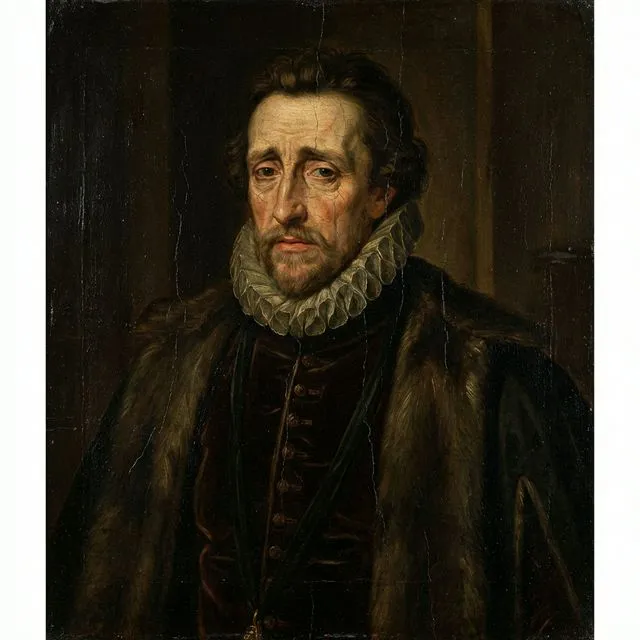
Thomas Percy, 7th Earl of Northumberland: The Rising of the North, 1569

To understand the landscape of sixteenth-century England, one must recognize that the North was effectively a different country from the South. While London and the court of Elizabeth I were pivoting toward a centralized, Protestant bureaucracy, the “dark corners of the land” beyond the River Trent remained fiercely loyal to the “Old Religion” and the ancient feudal order. At the heart of this cultural and political chasm stood the House of Percy, a dynasty that had ruled the borderlands like kings for generations. And at the center of the House of Percy stood Thomas, the 7th Earl of Northumberland - a man destined to become the protagonist of a tragic tale of rebellion, betrayal, and martyrdom.

IND-1873-BM Read Record →
Ancient and Medieval

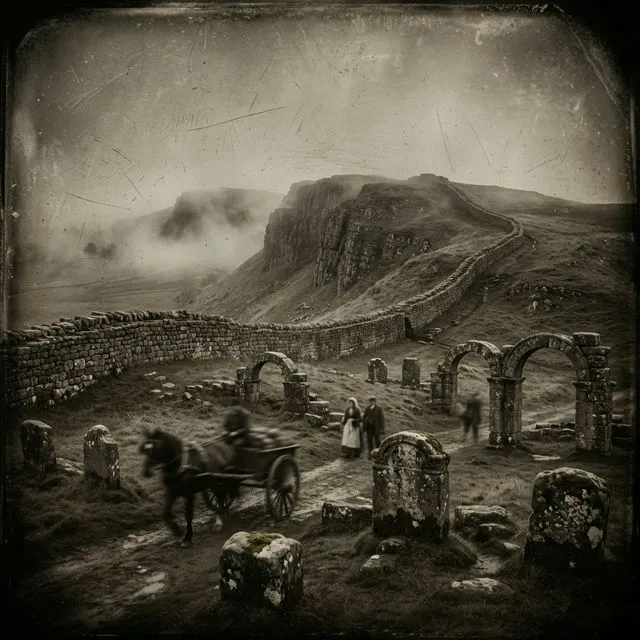
Hadrian's Wall: History, Facts and How to Visit

In AD 122, the Emperor Hadrian arrived in Britain. He came not to conquer but to consolidate – to draw a line under two decades of costly expansion and declare: this is where Rome ends.

The result was Hadrian’s Wall: 73 miles of stone and turf slashed across the narrowest point of northern England, from Wallsend on the River Tyne to Bowness-on-Solway on the Irish Sea. It remains the largest Roman monument in Britain, and one of the best-preserved frontiers of the entire Roman Empire. In 1987 it was designated a UNESCO World Heritage Site.

ARC-0122-HW Read Record →